
Acoustic pricing and value engineering
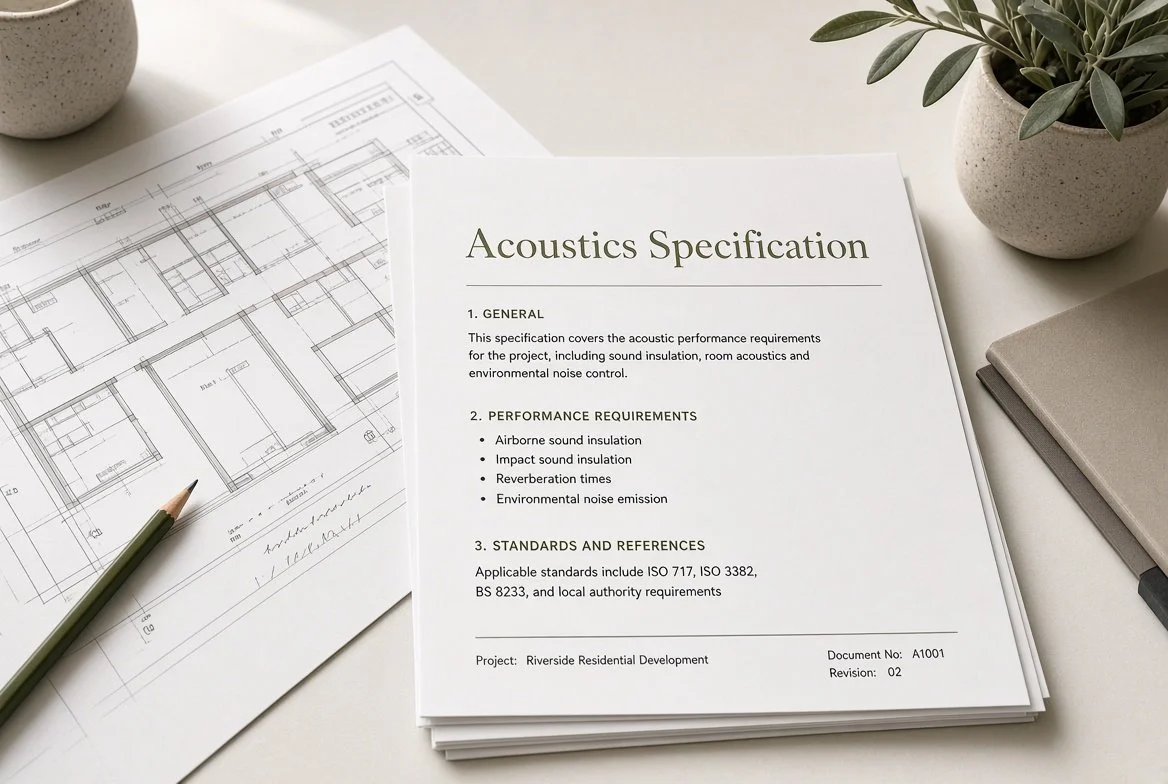
Acoustic items are easy to lose at tender. A resilient layer is dropped, a door seal is downgraded, a ceiling product is swapped for something cheaper. Each change looks small on a cost plan, but the effect often appears only at testing or after occupation, when it is far more expensive to put right.
Our pricing and value engineering service reviews contractor quotations and specifications to confirm that acoustic items are correctly priced, fully compliant with the design intent, and neither over- nor under-specified.
What we review
- Tender returns against the acoustic specification, item by item.
- Omissions, substitutions and pricing anomalies, including items priced for a lower specification than drawn.
- Acceptable alternatives that maintain acoustic performance where a saving is needed.
- Clear reporting to the design team or client, so decisions are made on what each bid will actually deliver.
Value engineering that keeps performance
Value engineering should remove cost, not performance. Sometimes the saving is real: a construction is more robust than the criteria require, or a product is rated well above what the space needs. Sometimes it is a false economy that risks a failed test or an uncomfortable room. We tell the two apart, and where a proposed alternative product is involved, our product acoustic verification checks that its data supports the claim.
Our benchmark is the project acoustic specification and the standards referenced within it, such as Approved Document E, BB93 or BS 8233.
How we work
- Share the documents. The acoustic specification, drawings and the tender returns or quotations.
- Review. We compare each acoustic item against the specification and flag omissions, substitutions and anomalies.
- Recommend. Where savings are sought, we propose alternatives that maintain performance.
- Report. A clear summary for the design team or client, ready to take into tender negotiations.
Frequently asked questions
When should acoustic value engineering happen? Ideally when tender returns arrive and before contracts are signed, while alternatives are still easy to agree. It is also useful whenever cost savings are proposed later in the project.
Does value engineering mean lower acoustic performance? Not when it is done properly. The aim is to remove over-specification and pricing anomalies while keeping the performance the space and any regulations require.
Can you review a specification you did not write? Yes. We review quotations against the project acoustic specification and the standards it references, whoever prepared it.
Who do you report to? To the design team or the client, depending on who appoints us. The report sets out what is compliant, what is not and what we recommend.
Related services
- Architectural acoustics
- Measurement and testing
- Product acoustic verification
- Acoustic consultancy for architects and interior designers
Send us the tender returns
Share the specification and the quotations, and tell us your programme. Get in touch, call 020 3949 1597 or email hello@auris-consultancy.com.